



The cultural relic of the Shang Dynasty, "Bone shaped Artifacts"
It is a bone artifact unearthed from the Tomb of Shang Wang No. 1001, possibly made of elephant leg bones, with a complete lower end and a damaged upper end, and a rounded triangular cross-section of the body. On one of the corners of the body, there are two vertically arranged perforations at the lower position of the middle decorative band, which may be used to install handles. The decoration can be roughly divided into three parts. The upper and lower ends of the object are decorated with animal face patterns, the middle part is decorated with the main decoration of Taotie, and the two sides of the triangular pattern below are decorated with inverted dragons. Going further will be the Shen character decorative strip. These patterns are surrounded by dense cloud and thunder patterns, and the carvings are very exquisite. First stored at the Central Institute of Historical Research.

Bronze ware from the Shang Dynasty, known as the 'Bronze Pavilion'
This Chinese cultural relic is a wine vessel called "斝", produced in the 13th to 12th centuries BC. It is collected at the Minneapolis Museum of Art in the United States. 斝 is a ceremonial vessel used for ancestor worship, which is made of both pottery and copper. It can be quadrupedal or quadrupedal, with two cylindrical protrusions on the mouth edge, which may be used to hang the vessel above a heat source. Yan first appeared in the Neolithic Age (5000-2000 BC) and was very common in the Shang and early Western Zhou dynasties, but disappeared in the mid Western Zhou period.

Popular Models
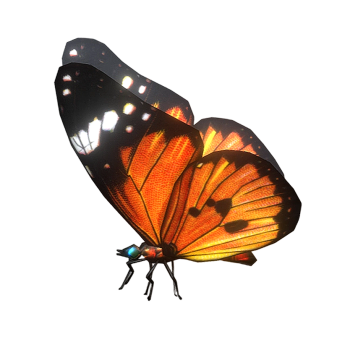
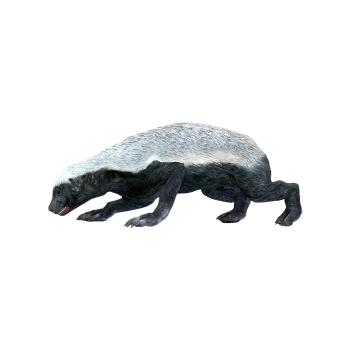
Honey Badger (3D animated model)
192 View
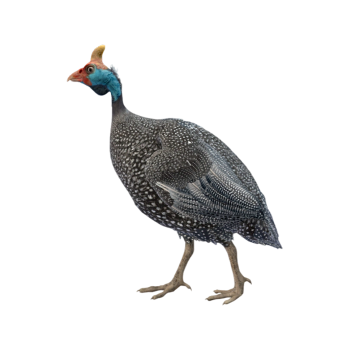
Guinea fowl (3D animated model)
163 View
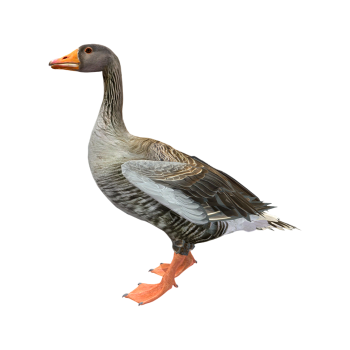
Wild Goose (3D animated model)
185 View
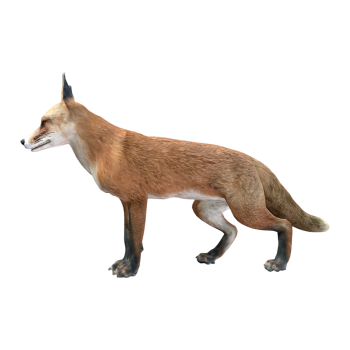
Red Fox (3D animated model)
153 View
Random Model

IPhone 5s Deep Space Gray
1027 View

Wooden male goat
987 View
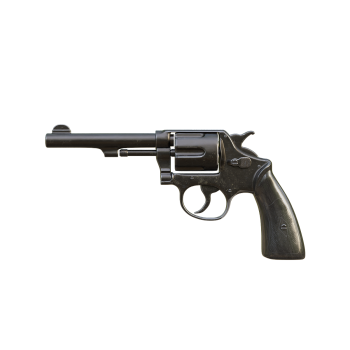
American M191 revolver
1734 View

FIRE ALARM Fire Alarm
943 View

Cross Hill Crucifixion Group
1321 View


A pile of cardboard boxes
919 View
